Science Advisory and Stakeholder Panel (SASP)
The Science Advisory and Stakeholder Panel (SASP) is a core organisational component of ISOLUME that facilitates the active involvement of external partners from across Europe, industry, society, and the private sector. It serves as a bridge between the project’s scientific consortium and the broader community of stakeholders interested in the management and protection of marine lightscapes. The main goal is to ensure that ISOLUME’s scientific research translates into practical, real-world action by leveraging external expertise and innovative technologies. Particularly, SASP will:
Meet our SASP Members
5 expert perspectives on changing marine lightscapes
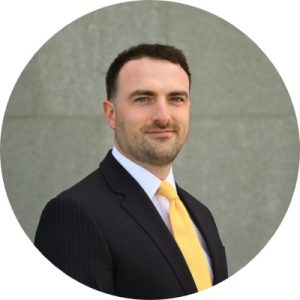
Will Dunning (GRAD, UK)
Will Dunning is a British expert on maritime environmental and sustainability issues at Trinity House, the organisation responsible for navigational aids in England, Wales, and adjacent waters. Will develops strategy and policy-related topics and leads climate change research across the General Lighthouse Authorities (GLA) of the UK and Ireland. Will’s research involves developing risk-based analytics for climate change projections, AI strategy and policy development, sea-level rise assessments, and anthropogenic impacts of the GLA.
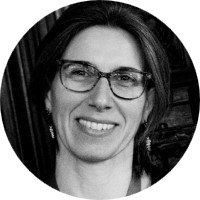
Elena Maggi (University of Pisa, Italy)
Dr. Elena Maggi is a senior researcher and associate professor in Ecology at the University of Pisa, Department of Biology. Elena’s research focuses on the impacts of environmental changes on coastal ecosystems, particularly biodiversity loss, climate change, and anthropogenic disturbances to benthic communities, including macroalgae, invertebrates, and biofilms. A central focus of Elena’s current work is on the ecological consequences of artificial light at night (ALAN) for marine habitats. Elena is the coordinator of the AquaPLAN (Aquatic Pollution from Light and Anthropogenic Noise: Management of impacts on Biodiversity) project.
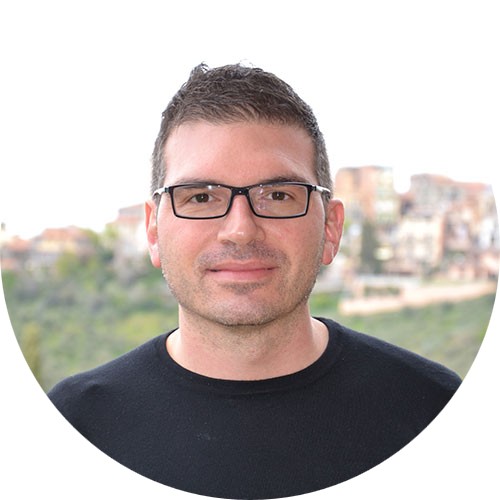
Emanuele Organelli (CNR, Italy)
Dr Emanuele Organelli is a senior scientist at the Institute of Marine Sciences (ISMAR) of the Italian National Research Council (CNR) in Rome, specialising in optical oceanography and marine ecosystem processes. His research focuses on using in situ measurements and satellite-based data to retrieve phytoplankton functional types and CDOM. Emanuele integrates autonomous measurements from Biogeochemical Argo floats and models to study bio-optical anomalies, dissolved organic carbon cycles, and relationships among optical properties, marine particle size, and plankton diversity, thereby improving estimates of carbon fluxes.
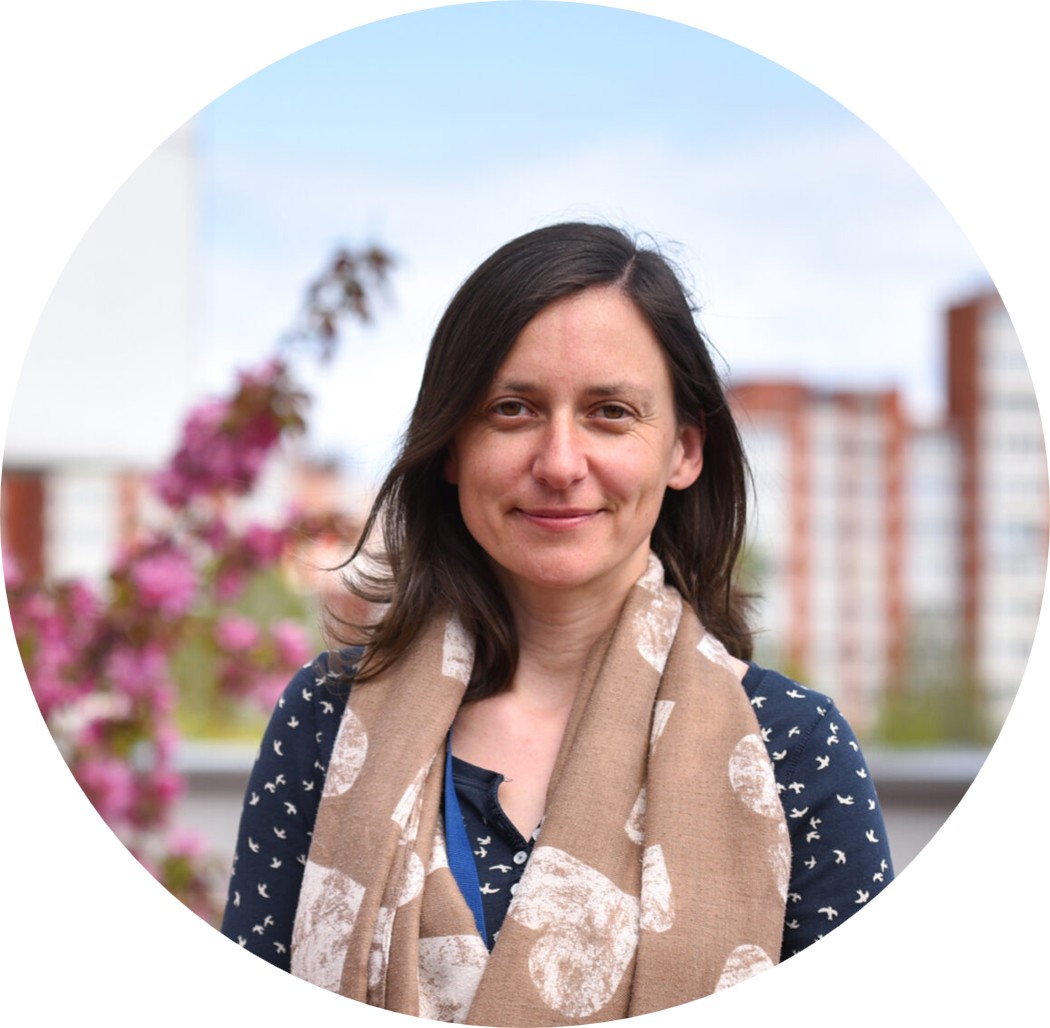
Diana Vaičiūtė (Klaipeda University, Lithuania)
Dr. Diana Vaičiūtė is a senior researcher at the Marine Research Institute of Klaipėda University. Diana’s research focuses on marine ecology, particularly phytoplankton, and water quality in coastal and lagoon ecosystems of the Baltic Sea. A central focus of Diana’s work is the application of remote sensing to analyze ecological processes and to develop monitoring and assessment systems for aquatic environmental parameters. Diana is also involved in developing innovative technologies for real-time monitoring of water quality, human activity impacts, and biological risks, including in the context of algal blooms and microbiological contamination.
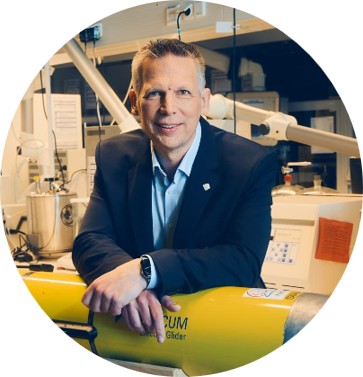
Oliver Zielinski (Hereon, Germany)
Prof. Oliver Zielinski is a physicist, marine scientist, developer of smart technologies, Scientific Director of the Helmholtz Centre Hereon, Professor of Environmental Physics and Technology at the University of Rostock and Member of the German Science Council. Oliver has been pivotal in both advancing the concept of Coastal Ocean Darkening and Changing Marine Lightscapes, bringing global political and scientific attention to light as an anthropogenic energy emission in the ocean and in the development of the ISOLUME project consortium.