ISOLUME
IndicatorS Of changing Lightscapes in Underwater Marine Ecosystems
What is ISOLUME?
The ISOLUME project, part of the JPI Oceans Joint Call on Changing Marine Lightscapes, focuses on assessing how marine lightscapes have changed across European sea basins over decadal timescales, due to coastal darkening (COD) and artificial light at night (ALAN). It will determine drivers, sources and impacts of these changes at both large and small scales. The scientific evidence-based knowledge developed in ISOLUME will be used to develop a roadmap for implementing changing marine lightscapes as an indicator in management policies, monitoring programmes and essential ocean (biodiversity) variables. ISOLUME is a collaborative effort between 11 European partners and is coordinated by the Leibniz Institute for Baltic Sea Research Warnemünde (IOW) and the University of Plymouth (UoP). ISOLUME has been endorsed by the Intergovernmental Oceanographic Commission (IOC) as part of the UN Ocean Decade of Ocean Science for Sustainable Development 2021-2030.
Image credit: Bronwyn Cahill
Why Light Matters Beneath the Waves?
Light is life for the ocean, driving photosynthesis, guiding species, and shaping entire ecosystems. Light is one of the most vital environmental factors affecting ecosystems on Earth, both on land and in the ocean. It disperses more readily in water than on land and plays a key role in determining where different organisms live by serving as the primary sensory cue. This impacts behaviour, predation, reproduction, communication, and survival. However, human activities are altering how light propagates in water. Coastal darkening and artificial light at night are disrupting natural light cycles in the ocean, threatening biodiversity and the ecosystem services we rely on. We need to understand how coastal darkening and light pollution influence ecosystem functions through changes in isolumes (the depths of biologically important light levels), and how the provision of essential services like fisheries, carbon storage, and coastal protection is crucial.
Understanding Marine Lightscapes
These key concepts behind the ISOLUME project show how marine lightscapes are shaped by artificial light at night (ALAN) and coastal darkening, and why understanding these changes is essential for protecting marine ecosystems and informing sustainable management.
Marine lightscapes
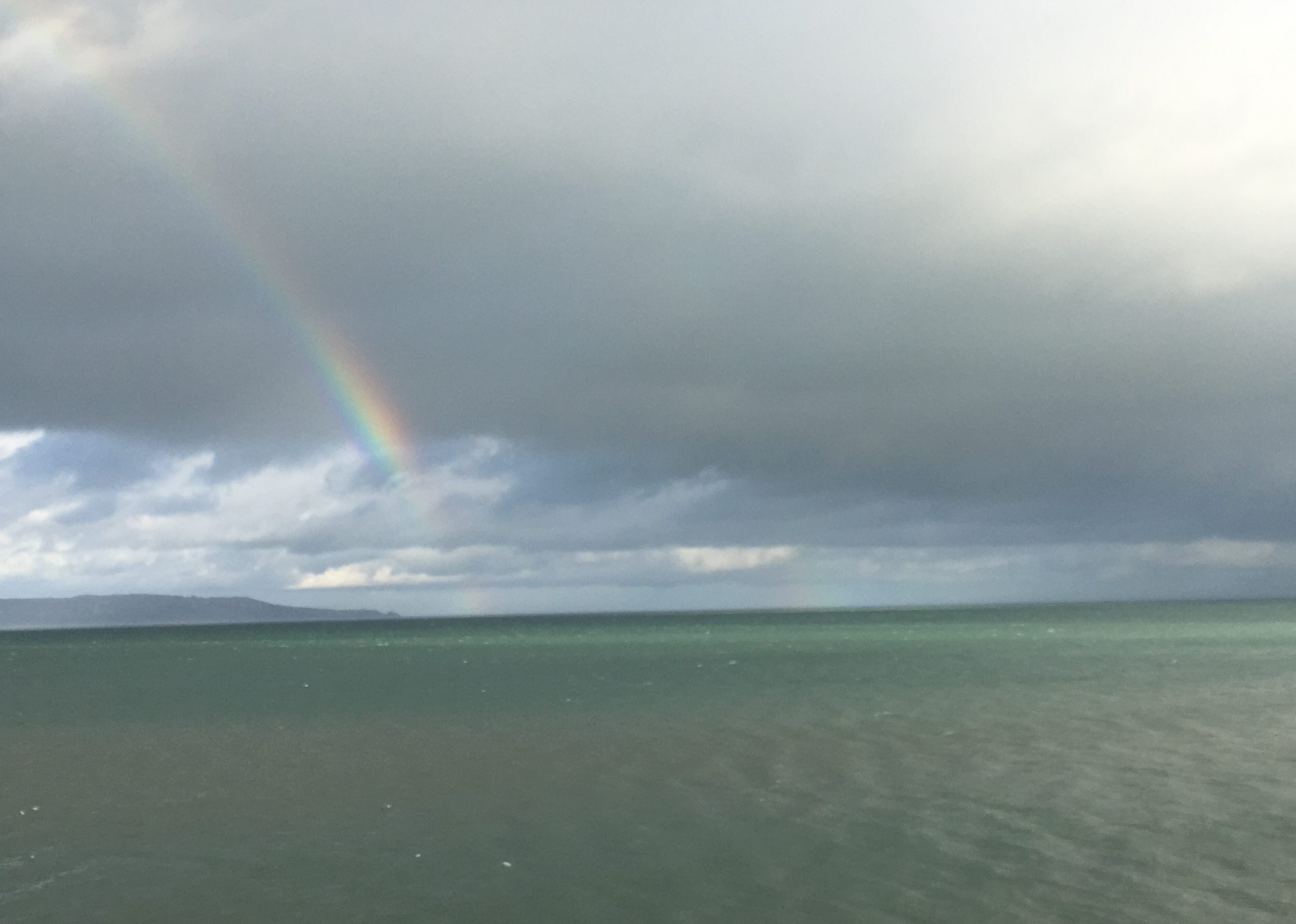
Marine lightscapes refer to the spatial, temporal, and spectral characteristics of natural and artificial light in marine and aquatic environments, encompassing light intensity, timing, distribution, and spectra that shape ecological processes and organism behaviour.
ALAN
(Artificial Light at Night)
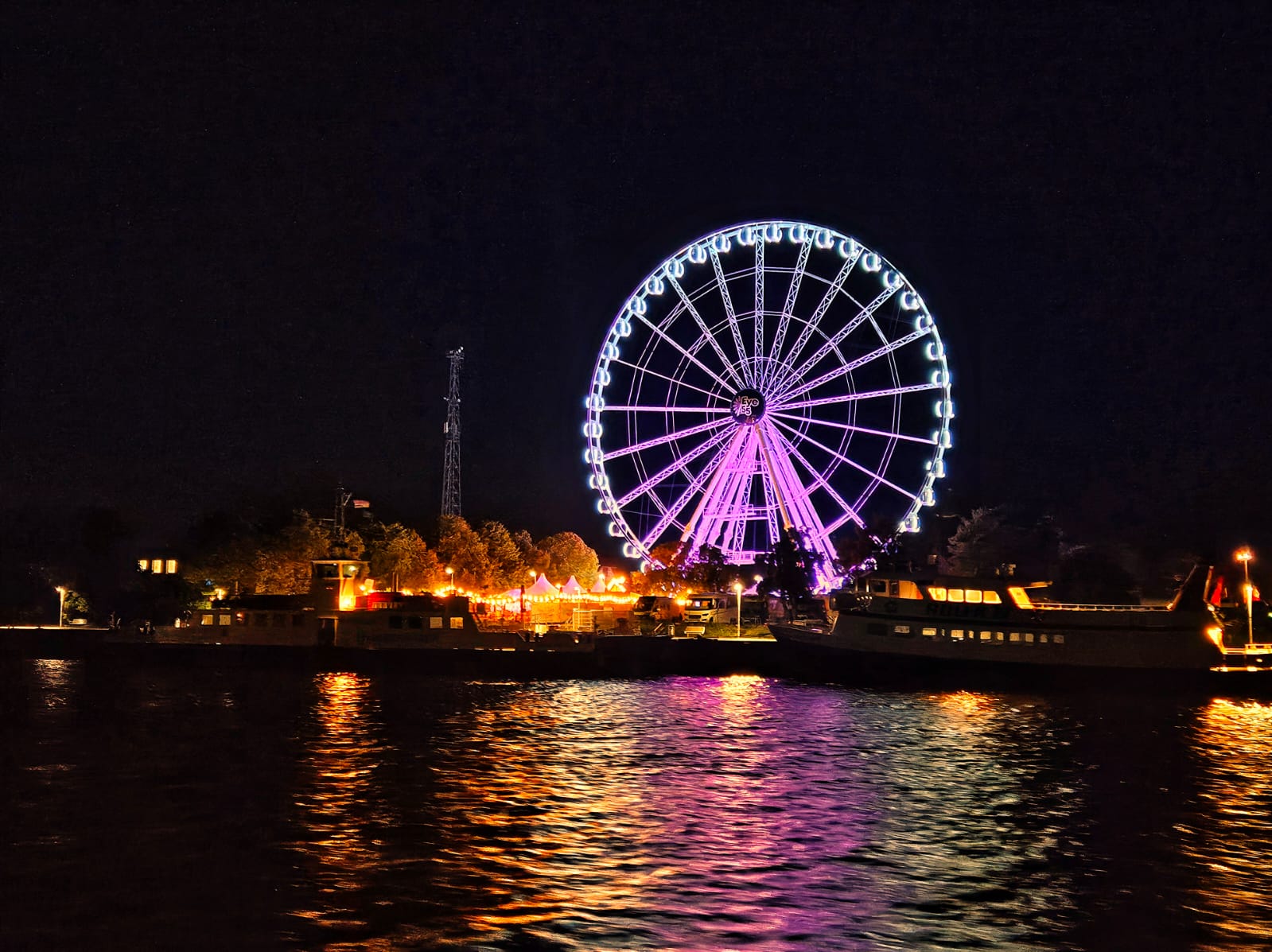
Artificial Light at Night (ALAN) describes human-generated illumination emitted after dark that enters marine environments from coastal infrastructure, vessels, ports, and offshore activities, altering natural nocturnal light regimes and biological rhythms.
Coastal darkening
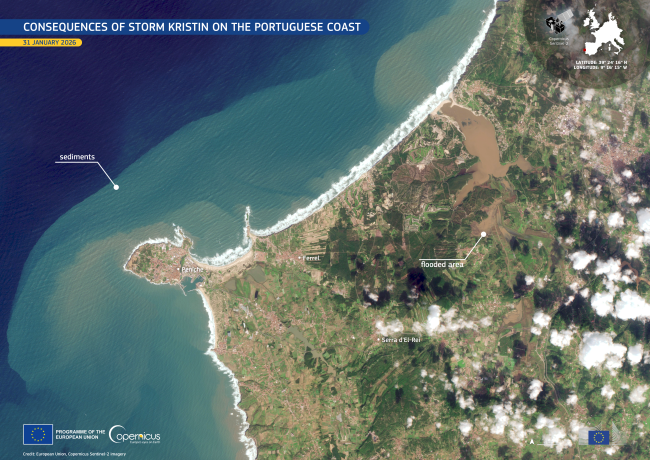
Coastal darkening is the long-term reduction in underwater light availability caused by increased concentrations of optically active substances such as suspended particles, coloured dissolved organic matter, and phytoplankton, that attenuate light penetration in coastal waters.